
Institutional Facilitation
Someone is, in every institution. The institutions that receive people often stay where they were designed. WorldBridge helps institutions understand the people navigating them, and the cultural conditions that shape their experience.
Access is not the same as understandingA two-minute introduction, narrated by founder Nicole Mobley
Institutions assume fluency. People don't always arrive with it.
That gap is where WorldBridge works.

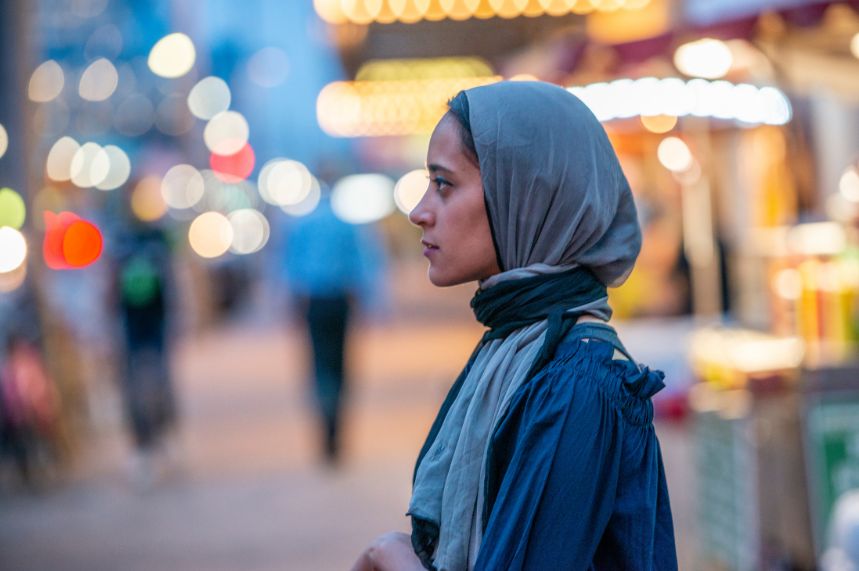

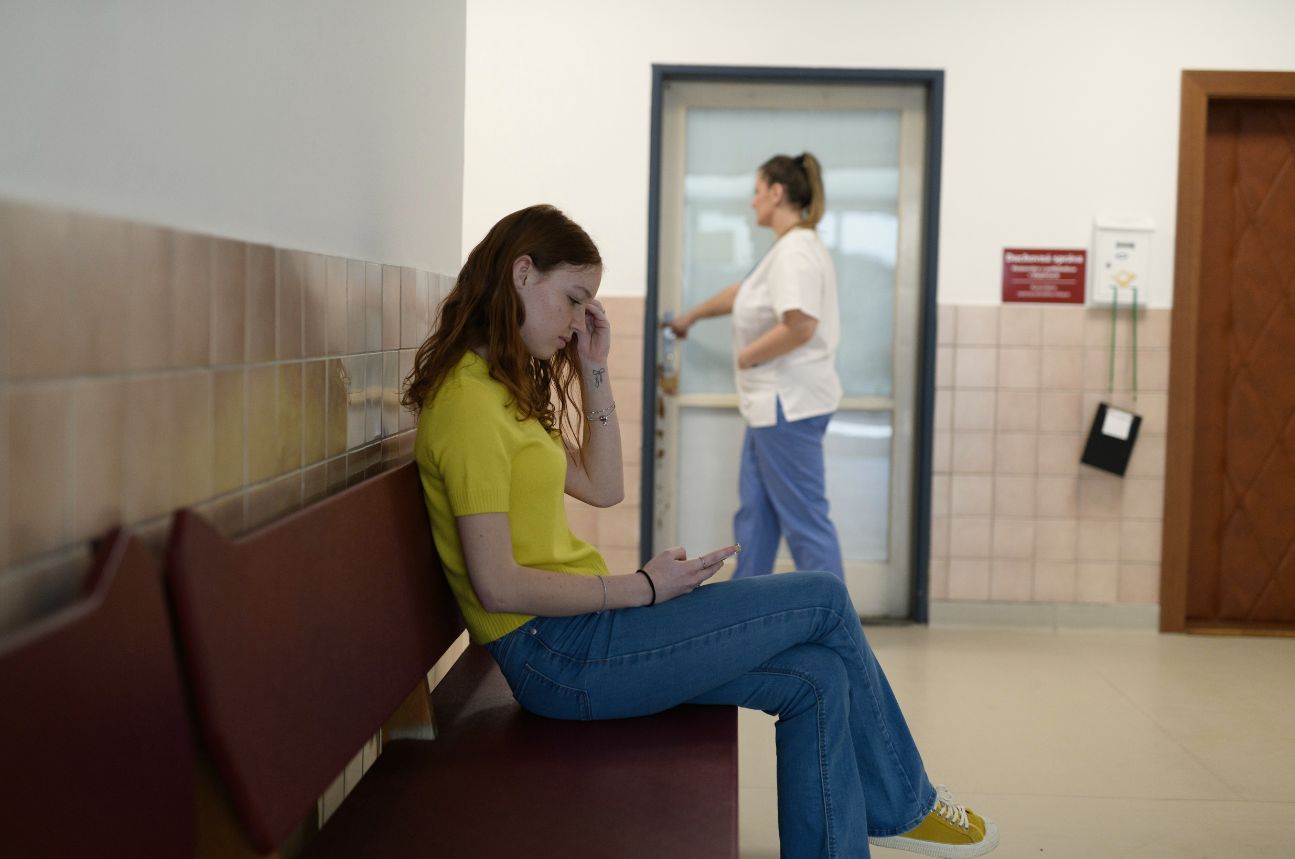

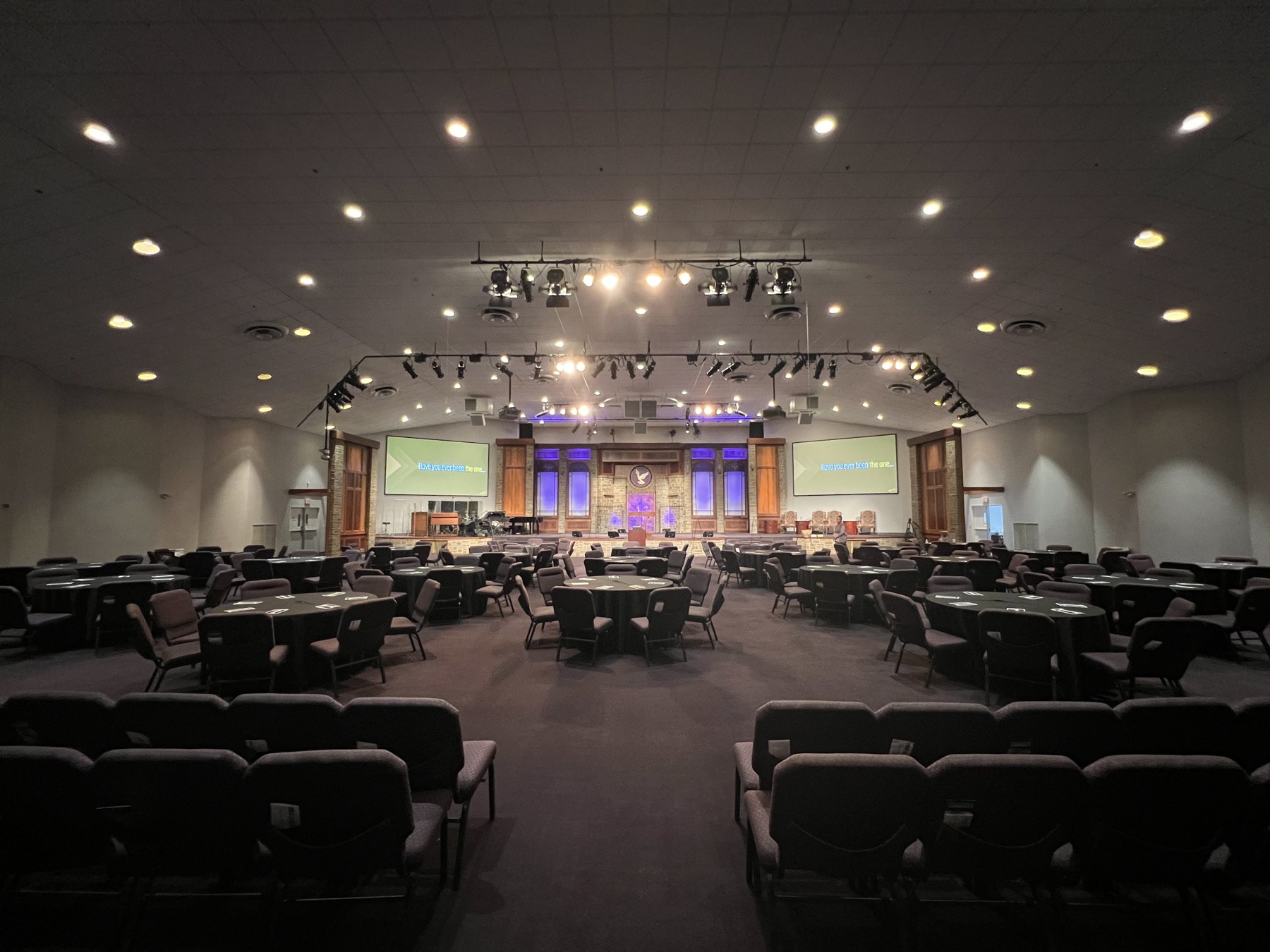
See it in practice
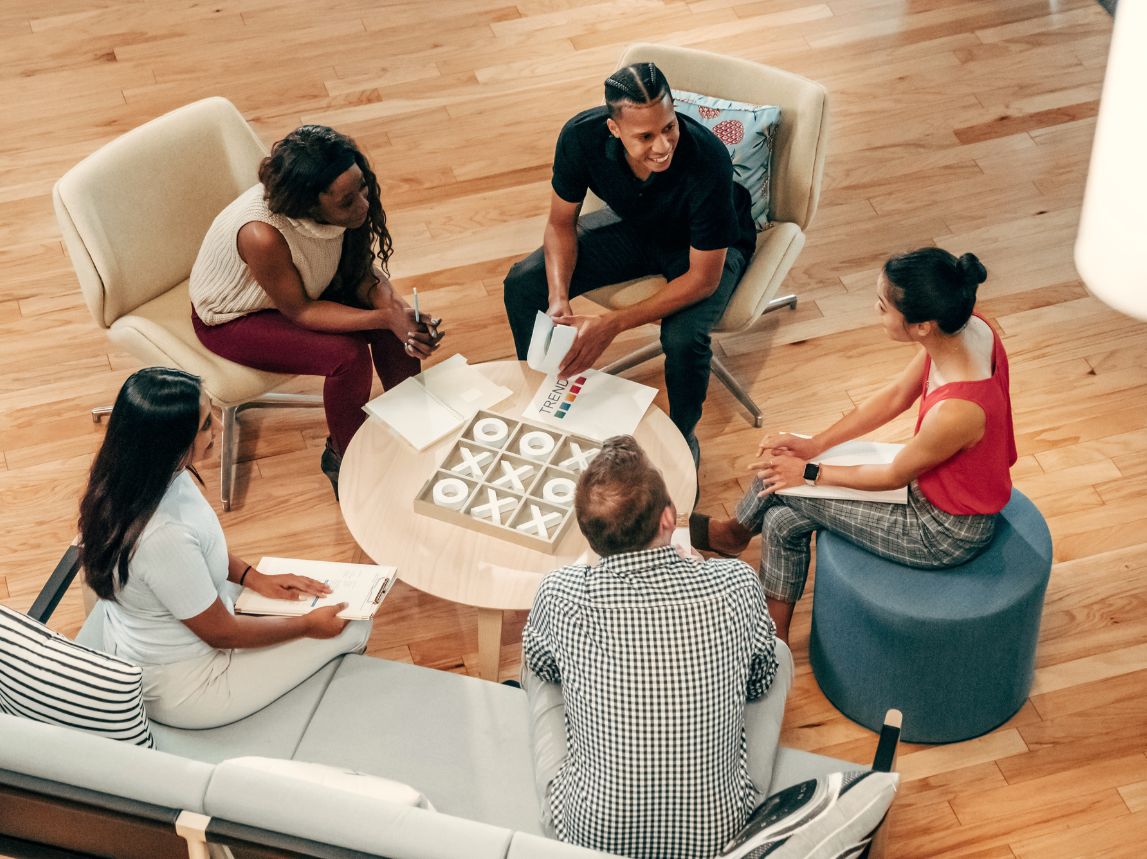
Twenty-two tables, three experiences, and a printed Cultural Map delivered the following week.
A WorldBridge concept
Institutional fluency™
The knowledge an institution requires, and often assumes, but rarely teaches.
Every institution has its own language, rhythms, and unwritten rules. People who know them move through with ease. Those who don't may find themselves navigating unfamiliar expectations, often without realizing what they're missing.

The gap between intention and experience
The lens
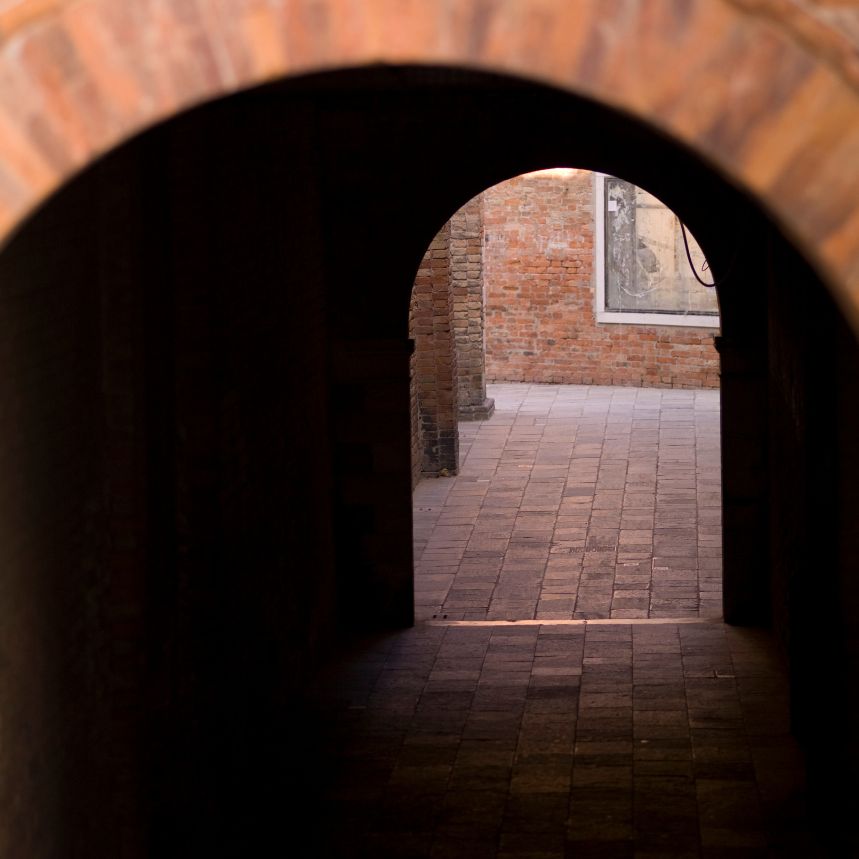
The lens is what a person experiences on the way in. Further down, the arc is what happens in the room.
The journey from outside an institution's culture toward it.
The door opening: the greeting and the first signals.
Being truly brought in. Many institutions are good at welcome. The question is whether people are received.
What becomes possible: connection, participation, and contribution.
The facilitation arc
Where the lens follows the person, the arc follows the room: four movements, each a real experience. Select one to see what happens.
What actually happens
WorldBridge doesn't arrive with predetermined solutions. Your people do the work, and they see what they find.
Conversations with leadership about what's changing and who you serve.
Everyone reflects privately first, so every voice arrives intact.
Small groups meet the institution from the edge, and when the script breaks.
Responses are shared, and patterns become hard to ignore.
What the institution protects when something has to give.
A printed leadership report and a guide for continuing the work.
Ways to work together
For leadership teams navigating change, growth, or misalignment. A full facilitation and Cultural Map.
For institutions shaping global strategy, partnerships, or public-facing engagement.
Across sectors
How well does an institution understand the people who must navigate it, and how intentionally does its culture support their experience?
Culture isn't the backdrop. It's the work.
Begin with a conversation
Tell me about your institution and the people it serves. I'll follow up personally to talk through what a facilitation could look like.
Nicole Mobley, Founder
info@worldbridgeprotocol.com